 Mad Over Stories Team
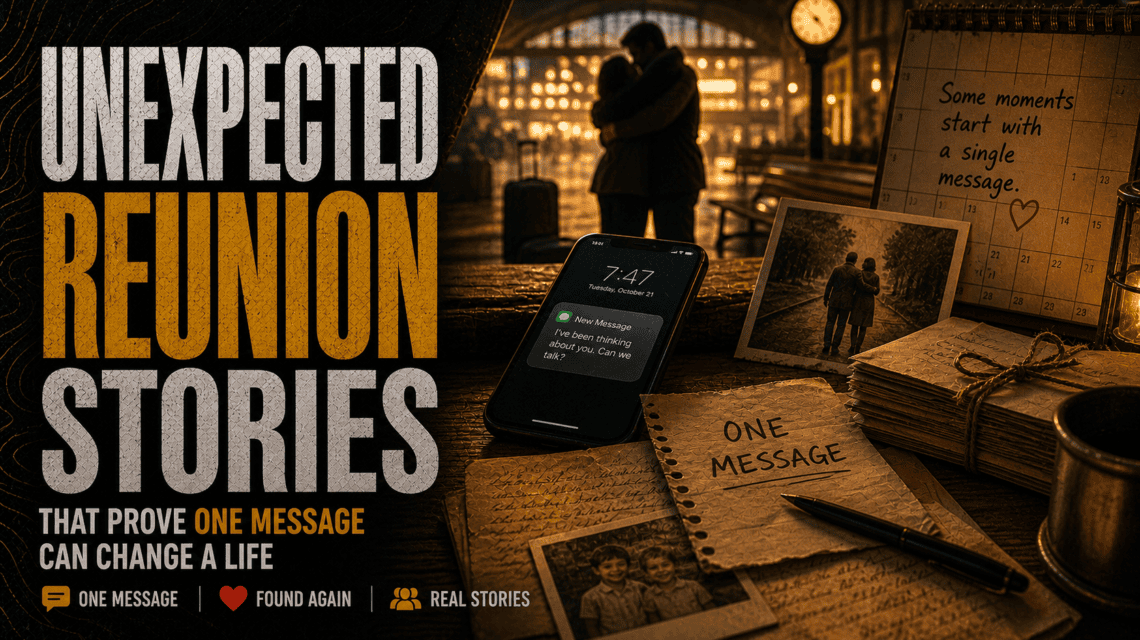
 A single message can close a gap that decades could not. Reunion stories, of adoptees finding birth parents, siblings separated by war or circumstance, friends who lost touch and found each other again, have a particular power to move us. They turn on something small: a saliva sample, a shared photo, a name typed into a search bar. Behind that small thing is usually years of quiet longing, and the modern tools that finally made the connection possible.
DNA Tests and the Rise of the Unexpected Match
Consumer DNA testing has quietly rewritten what “unfindable” means. When someone spits in a tube for AncestryDNA or 23andMe, they are added to a database that can surface relatives they never knew existed. For adoptees and people conceived through anonymous donation, a close DNA match, a parent, a half-sibling, a first cousin, can be the first solid thread in a lifelong mystery. The reunions that follow are often overwhelming precisely because they were never planned. A person tests out of idle curiosity about their ancestry and receives, instead, the identity of a birth mother or a brother. The genealogical technique of building family trees outward from distant matches has reunited countless families who had exhausted every traditional avenue.
Social Media and the Viral Search
Where DNA works through biology, social media works through reach. A heartfelt post, a searchable name, or a shared old photograph can travel across thousands of feeds in hours, putting a decades-old question in front of exactly the right stranger. People searching for a foster sibling, a wartime friend, or the passerby who once helped them have found answers when a single share reached someone who recognized a face or a story. Registries and reunion groups add structure to this, giving people who are both searching a place to finally meet in the middle. The mechanism is different from DNA, but the emotional arc is the same: a small signal, amplified, finding its target.
Why a Single Message Carries So Much
The reason these stories land so hard is that they collapse an enormous emotional distance into one instant. For years, the missing person exists only as an absence, a question that shapes someone’s sense of who they are. Then a notification arrives and the abstraction becomes a real human being with a voice and a face. Psychologists tie our deep response to reunion to attachment, our fundamental need for connection and belonging, and to the sense of closure that resolves a long-open loop. There is also the pull of narrative. A reunion gives a story its ending.
The Weight of Chance
Part of what makes reunion stories feel almost fated is how thin the thread often is. The DNA kit was a last-minute gift. The post was shared by one person who happened to scroll past. The two people had to both be looking, at the same time, in the same place. When something so unlikely resolves in favor of connection, it feels less like coincidence and more like the universe finally cooperating. That is why one message can change a life: not because the message itself is powerful, but because of everything it suddenly makes possible after so long apart.
Related Reading
- Human Interest
- Best Survival Books of All Time
- Strangers Who Saved Lives: The Quiet Decisions That Become Unforgettable Stories
- Miracle Rescue Stories: How Search Teams Turn Tiny Clues Into Lifelines
Research Notes
- Pew Research Center
- Edison Research True Crime Consumer Report
- Google Trends Summergeist
- AP / Publishers Weekly best-seller list
Editorial note: Mad Over Stories prioritizes source-aware storytelling. For true crime and real-life topics, we avoid naming private individuals unnecessarily, distinguish confirmed facts from interpretation, and update articles when better information becomes available.
More From Mad Over Stories
You Might Also Like