
 Mad Over Stories Team
 Editor’s note: This is a narrative story published for entertainment. Names, details, and dialogue may be fictionalized or composited, and the story as told here should not be treated as verified reporting. See our Editorial & Content Policy.
David K. died on a February morning in 2020 at the age of 67. He had three children, a modest house in the suburbs of Toronto, and a cell phone that nobody thought to cancel the contract on. His youngest daughter, Elena, took the phone from the hospital and put it in a box in the closet with his wallet and reading glasses. She didn’t turn it off. She just put it away.
Eight months later, it buzzed.
The Message That Started Everything
Elena heard the buzz from the closet in the middle of the night. She almost didn’t check it.
What she found was a text message from her father’s high school friend, a man named Peter who lived in Vancouver and apparently didn’t know David had died. The message was light, unremarkable: “Hey, thinking of you. Hope you’re doing well.”
Elena responded as herself, explaining what had happened.
Peter was devastated. He had not been in touch with David in years but had been meaning to call him. He had texted instead, on an impulse, at 2:30 in the morning Vancouver time. He didn’t know why.
He had dreamed about David that night.
What Followed Over the Next 18 Months
Elena didn’t cancel the contract. She said she couldn’t explain why, but canceling it felt like closing a door she wasn’t ready to close.
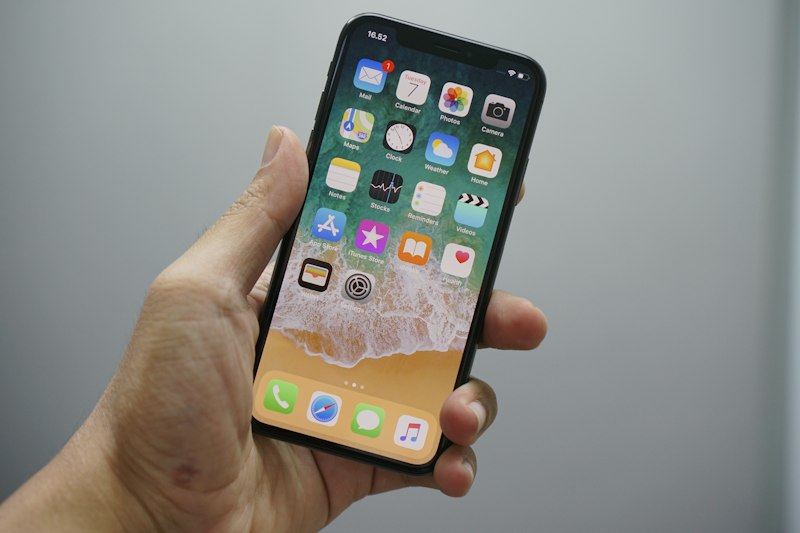
Over the following 18 months, the phone received 11 more messages. Some were spam. Some were old group texts he’d been added to. But four were from people who didn’t know David had died — people who, for varying reasons, had thought of him on the day they reached out.
A former colleague from his first job. A neighbor from a house he’d lived in 30 years earlier. A woman who had briefly been his girlfriend in university, clearing out old contacts.
Each person, when told, had their own version of “I didn’t know why I reached out today specifically.”
The One Message That Was Different
Eleven months after David’s death, the phone received a voicemail.
Eleven messages arrived over eighteen months — each one addressed to a man who could no longer answer.
It was from David.
Not from David’s ghost — from a message he had recorded for himself using a memo app, apparently intended as a reminder to call his doctor. It had been filed incorrectly in the voicemail system and only surfaced when the app updated. The message was 22 seconds long. It was his voice. It said a date and a phone number.
Elena listened to it 14 times.
What Elena Wrote About the Experience
Elena shared a short essay about the phone in a private grief support forum two years after her father’s death. She had not intended it to be public. A moderator, with her permission, shared it with a wider audience.
The essay circulated for months through grief communities before reaching general audiences. When it finally trended, it did so on platforms not typically associated with grief content — Reddit’s front page, several prominent Twitter accounts, a newsletter with 300,000 subscribers.
She wrote about the phone not as a paranormal story but as a story about the strange temporality of the dead in a world full of their digital traces. Her father’s phone still contained his photos. His contacts. His partial text drafts. His notes to himself.
“He’s gone,” she wrote, “but the phone remembers him exactly as he was.”
Read more: 25 small moments that proved the internet still has a heart.
The Digital Afterlife — A New Kind of Grief
Researchers studying grief in the digital age have identified a distinct phenomenon: the digital remnant, the accumulation of a person’s online presence — messages, photos, accounts, automated reminders — that continues to produce signals after their death.
Unlike physical possessions, which are static, digital remnants are often dynamic. They buzz. They update. They send birthday notifications. They suggest memories. They are simultaneously among the most comforting and most destabilizing things a grieving person encounters.
The experience Elena described — sitting with a dead man’s phone as it received messages from people who didn’t yet know — is a new kind of human experience with no cultural framework, no ritual to address it. It is happening to millions of people.

Read more: the analog version of the same story: 67 letters hidden in an attic wall.
Why This Story Hit Differently Than Most Grief Content
Most content about grief is addressed to the grieving. This story was different: it was about what the world continues to do, unremarkably, after someone leaves it. People text their friends on impulse. Voicemail apps update their storage algorithms. A dead man’s voice surfaces in an inbox because of a software update.
The viral success of Elena’s essay came from recognition — not just from people who had lost someone, but from people who have phones full of conversations with the living. Reading it makes you think about your own phone. Your own contacts. The messages you’ve been meaning to send.
Elena canceled the contract two and a half years after her father died.
She transferred the voicemail recording to a digital audio file first. She listens to it sometimes. It still says his name and a phone number that no longer exists.
- Elena kept her father’s phone contract active instead of canceling it, unable to explain why
- Eleven messages arrived over eighteen months, mostly from people who didn’t yet know he had died
- The most startling one turned out to be his own voice — a reminder he’d left himself, misfiled for two years by a voicemail app update
The feeling of receiving a signal from someone who should be unreachable is the thread connecting this story to another. The man who disappeared in 1987 and resurfaced through a credit card receipt 32 years later is the inverse case: the absence was real, the contact came later, and neither explained the other.
Sometimes the signal comes from inside rather than outside. A woman who kept dreaming of a street she’d never visited eventually traced the dream to an origin that was, in its own way, as strange as the dream itself.
The decision to sit with information — to not immediately share it — appears in cases where the stakes feel uncertain. Something in the deep ocean that researchers recorded and then didn’t publish is the institutional version of that same hesitation: data collected, verified, and then held.
She keeps it.

Read more: a nurse whose single word on 47 charts foresaw what no equipment could.
📚 Keep reading: our guide to the best survival books.
More From Mad Over Stories
You Might Also Like





 For 23 Years, No One in This Town Knew What Was Buried Under Their Park
  The Stack of Letters Hidden in the Attic Wall — And the Stranger Who Wrote Every Single One
  The Teenage Girl Who Survived 11 Days Alone in the Amazon After the Plane Went Down
  A Nurse Wrote the Same Word on 47 Patient Charts — And Then Doctors Noticed Something They Couldn’t Ignore
  She Kept Having the Same Dream About a Street She’d Never Visited — Then the DNA Test Changed Everything
  The Hotel Room That Was Never Listed — What Guests Found Behind a False Wall